Menus change with the calendar, but not every menu that calls itself seasonal is telling the whole story. A restaurant may print a new sheet each month and still serve the same tired tomatoes in January. Others build their cooking around what nearby growers harvested that week, and the difference shows on the plate. Learning to read the signals takes a little practice, a few good questions and an eye for what sounds specific rather than poetic.
A seasonal menu is built around ingredients at their natural peak: asparagus in spring, tomatoes and stone fruit in high summer, mushrooms and squash in autumn, roots and hardy greens in winter. The point is not novelty for its own sake. It is flavor and supply. A tomato picked ripe in August tastes different from one grown for long-distance travel and chilled for weeks. A kitchen that respects that difference will change its cooking as the year moves.
Seasonal is not automatically local, and local is not automatically seasonal. A restaurant can buy greenhouse tomatoes from ten miles away in February; they are local, but they are not seasonal in the same sense as a field-grown crop. A menu can also feature imported produce that is perfectly in season somewhere else. Both approaches can be honest. The useful question is whether the menu explains itself clearly and whether the cooking makes sense for the time of year. A restaurant that flies in figs in December may be offering a genuine seasonal treat from another hemisphere, but it should not pretend those figs are a local summer crop. A restaurant that serves stored apples and cabbage in February can be just as seasonal, provided the kitchen treats those ingredients with care.
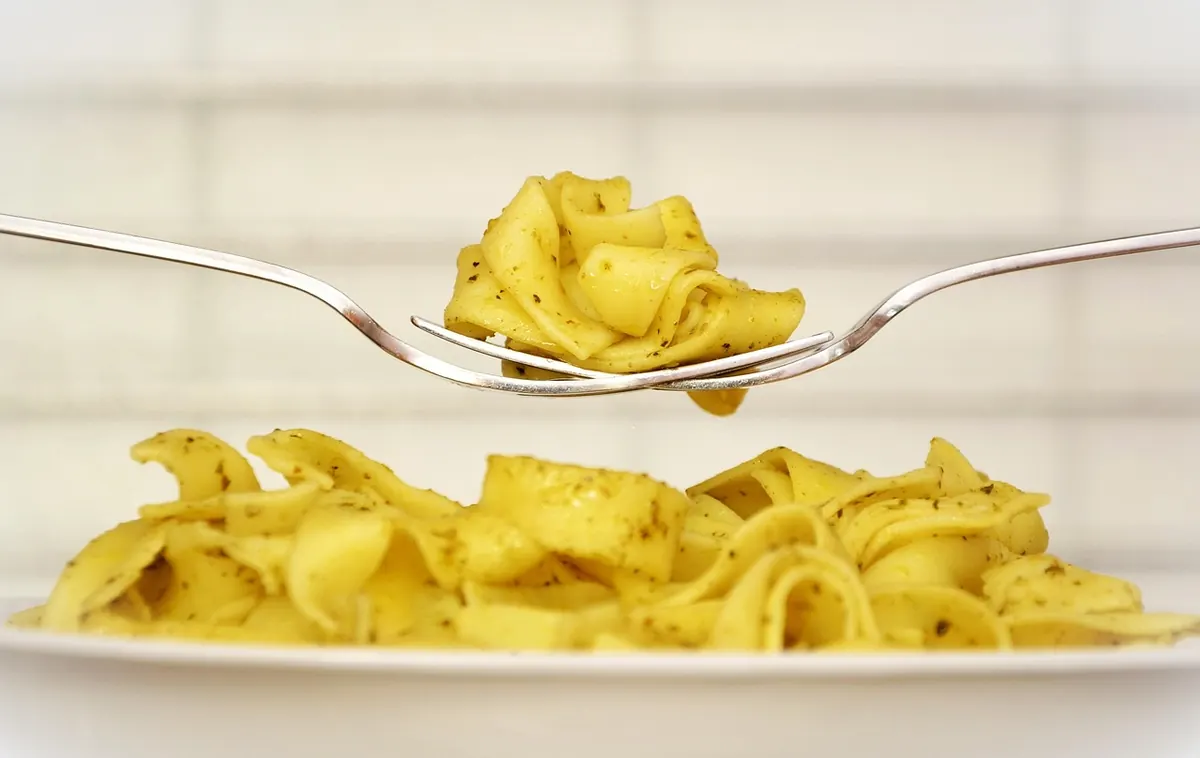
In a good kitchen, the menu follows the supply. A grower delivers a glut of courgettes, and the kitchen adds a grilled courgette dish, a soup or a pickle. The first wild garlic appears, and it turns up in butter, pesto or a simple pasta. Later, the same kitchen may preserve, freeze or cure what it cannot use in time. That is not a failure. Good preservation captures a peak and lets a restaurant serve it in a colder month.
This is why seasonal menus often look shorter or more changeable than regular menus. A core section may stay in place for weeks, while a chalkboard or specials sheet moves with the market. Some dishes disappear when the ingredient runs out, which can be frustrating if you arrived for one particular plate. It also tells you something useful: the kitchen is buying in realistic quantities rather than forcing the same dish to exist all year.
The local climate matters. A coastal restaurant may have fish and shellfish as its strongest seasonal story, while an inland kitchen might lean on orchards, dairy, mushrooms and vegetables. A menu that ignores its own surroundings and offers the same long list of international dishes in every season deserves a closer look. There is also a practical rhythm to seasonal cooking. A kitchen may buy a whole lamb and use the shoulder for a slow braise, the loin for a weekend special and the bones for stock. That kind of cooking is not only frugal; it is a sign that the menu is built around what actually arrived, rather than a set of dishes ordered from a catalogue. The same logic applies to vegetables: a crate of beetroot might become a salad, a soup and a pickle over three days.
Specific language is your friend. A dish described as “roasted squash with sage, hazelnuts and aged cheese” tells you more than “autumn vegetable medley.” The first version gives you ingredients, texture and a point of view. The second may still be delicious, but it hides the details. Look for names of farms, growers, markets, fishing ports, bakeries or cheesemakers. Even a simple “greens from our garden” or “peas from a nearby grower” is a sign that someone is paying attention.
“Fresh,” “local” and “seasonal” are useful words, but they are not precise on their own. “Fresh” may mean not frozen, not that it was harvested yesterday. “Local” may mean the same region, the same county or a radius the restaurant defines for itself. “Farm-to-table” is a style of sourcing, not a guarantee about every ingredient on the plate. None of these phrases is dishonest by itself, but each one deserves a polite question if you want the real story. Ask what is best right now, where the fish came from, or whether the greens were grown nearby. A good server will have an answer; a great one may tell you which farm grew the salad and when it was picked.
A few simple questions can tell you more than a page of menu poetry. Ask what the kitchen is excited about this week, which vegetables are at their best, or what changed since the last menu. Ask whether a dish uses frozen or preserved ingredients, not as a challenge but as genuine curiosity. The answer often reveals how the kitchen thinks.
You do not need to interrogate the staff. One well-placed question is usually enough. If the answer is vague, the menu may still be good, but the seasonal claim is probably more marketing than method.
Seasonality is regional, so no calendar is universal. Still, a rough pattern helps you spot dishes that belong to the time of year. In spring, look for asparagus, peas, radishes, wild garlic, rhubarb and young greens. In summer, tomatoes, courgettes, beans, stone fruit, berries and sweetcorn should feel at home. Autumn brings squash, mushrooms, apples, pears, game and root vegetables. Winter is the season of cabbage, leeks, citrus, stored roots and preserved ingredients, which is why slow cooking and pickles often make more sense than a salad of tired tomatoes.
Use this calendar as a question, not a rule. A cool spring can delay asparagus; a warm autumn can stretch tomato season. The point is to notice when the menu sounds like the weather outside.
A seasonal menu can still be dull, pretentious or misleading. A kitchen may use the word to justify a high price without improving the cooking. It may offer a single token seasonal garnish while the rest of the plate comes from a freezer. It may also chase novelty so hard that it forgets flavor: raw kale in December is seasonal in some places, but that does not make it pleasant. The best seasonal menus are not about deprivation or purity. They are about good ingredients handled with confidence.
Seasonality is not a badge to print on a menu. It is a way of cooking that shows up in flavor, supply and the willingness to change.
If a restaurant serves a short menu, names a few growers and can tell you why the fish is good today, that is often enough. You do not need a certificate. You need a plate that tastes like the moment it was made.
Photo: congerdesign / Pixabay