You need a new kettle. Or a pair of school shoes, a birthday present, a lightbulb with an unusual fitting. You have two options: the shop ten minutes away, or a search bar and a delivery estimate. Most of us switch between the two without much thought, treating it as a reflex rather than a decision. But the choice deserves a closer look, because local shops and online retailers are good at genuinely different things — and knowing which is which saves money, time and a surprising amount of annoyance.
This is not an argument that you should feel guilty about clicking "buy". It is a practical comparison, category by category, so you can decide when the trip into town is worth the effort and when it plainly isn't.
The online price looks lower because it is the only number you see. The local price sits next to a shopfront, a counter and a person, and it carries costs the website doesn't have. Fair enough. But the comparison gets muddier once you count everything.
Delivery charges, return postage, the £4 you spend parking, the bus fare — these add up to a real figure, especially on cheap items. A gadget that saves you a few pounds online but arrives the wrong size and costs you a trip to the post office has not saved you anything at all. On a £12 item, the gap between the shop and the website is often smaller than the cost of getting it wrong.
There is also the question of what you are buying. For a known quantity — the same brand of coffee, the same phone cable, the same printer ink you have bought four times — price is the only variable that matters, and online usually wins. For anything where the specification is fuzzy, the local premium is often buying you a decision made correctly the first time.
Online shopping is more convenient in the browsing phase. You can compare forty lampshades at eleven at night, read the dimensions, check the colour against your wall. Nobody is standing behind you waiting to lock up. That is a genuine advantage and it is why so many of us start there.
Then the parcel arrives — or doesn't. Someone has to be in. The courier leaves it with a neighbour, or in a bin store, or takes it back to a depot forty minutes away. You spend an evening tracking a number. Convenience has a habit of arriving in instalments.
Local shopping is inconvenient in exactly one way: you have to go. But once you are there, the transaction is finished. You walk in, you look at the thing, you pay, you leave with it. No delivery window, no cardboard, no "we missed you" card on the doormat.
Try the right-now test. If you need the item in the next few hours, local wins without a contest. If you need it "sometime this week", it's a tie. If it's a purchase you'll think about for a fortnight anyway, order online and use the time to decide.
Returns are the quiet advantage nobody talks about enough. Online returns policies are often generous on paper, but the real cost is your time: repacking, printing a label, queueing, waiting for the refund to land. Do that once a month and it starts to feel like a part-time job.
Local shops let you do something no website can — check it before you own it. Try the shoes on both feet and walk to the door. Hold the jacket up to the coat you actually wear. Ask to see two options side by side under the shop's own lights, which are a lot closer to your kitchen than a studio photograph is.
Anything fitted or matched is worth buying in person: shoes, mattresses, curtains and paint in a specific shade, a jacket for a wedding, a gift you need to feel confident about. So is anything involving a measurement you'd rather not redo — a replacement blind, a filter for an old appliance, a part you can only describe by holding up the broken one.
Where returns barely matter — books, cables, a specific model of headphones you've already tried — there's little reason to make the trip.
This is where the difference gets real. A good local shop gives you something a product page cannot: someone who has used the thing, sold it forty times and will tell you which version comes back.
That last one matters more than people realise. Many independent shops will order stock they don't carry — you get the range of the internet with the returns policy of a counter. It costs nothing to ask.
One honest caveat: not every local shop is good. Some are overpriced, some are staffed by someone who would rather be elsewhere, just as some online retailers are slow and careless. Loyalty should be earned by the shop in front of you, not by the fact that it has a bell above the door.
Before you open a browser, run through this. If two or more apply, go out.
Be fair to the other side. Online wins on range — the odd size, the discontinued part, the specialist hobby item no high street could justify stocking. It wins on comparison, because you can line up six options and read the details properly. It wins for anyone far from a town centre, where the nearest stockist is a forty-minute drive. And it wins on price for commodity goods you already know exactly.
None of that is a flaw. It is simply a different set of strengths, and pretending otherwise makes the local case harder to argue, not easier.
Buy locally when the risk of getting it wrong is high or the need is immediate. Buy online when you know precisely what you want and you can wait. Everything else is a judgement call, and a quick one at that.
The habit worth building is smaller than a philosophy: check the local option first. Not because you must buy there, but because you can't compare fairly if you don't know what's on the shelf ten minutes away. Ask whether they can order it in. Then weigh the totals — price, postage, your time, the chance of a return — and choose with your eyes open.
Sometimes the answer will be the shop down the road. Sometimes it will be a delivery on Thursday. Both are fine, as long as it's a decision rather than a reflex.
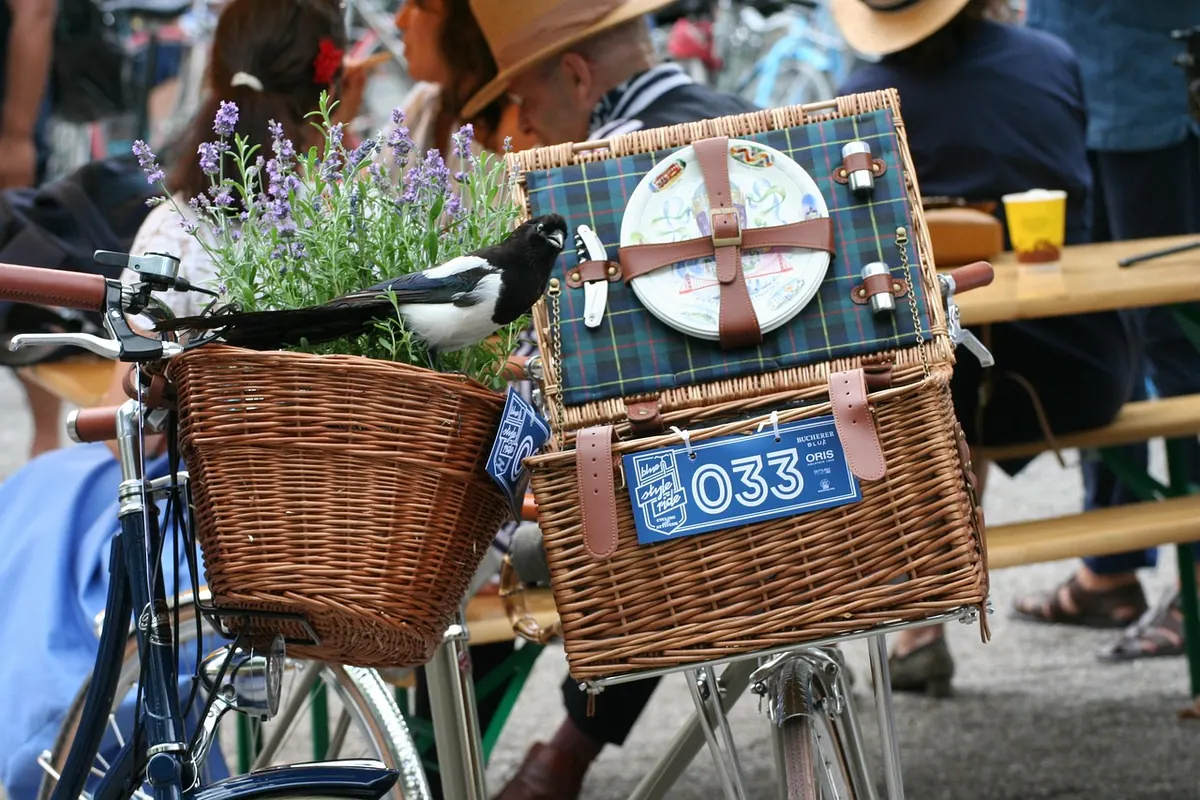
Photo: schrott / Pixabay